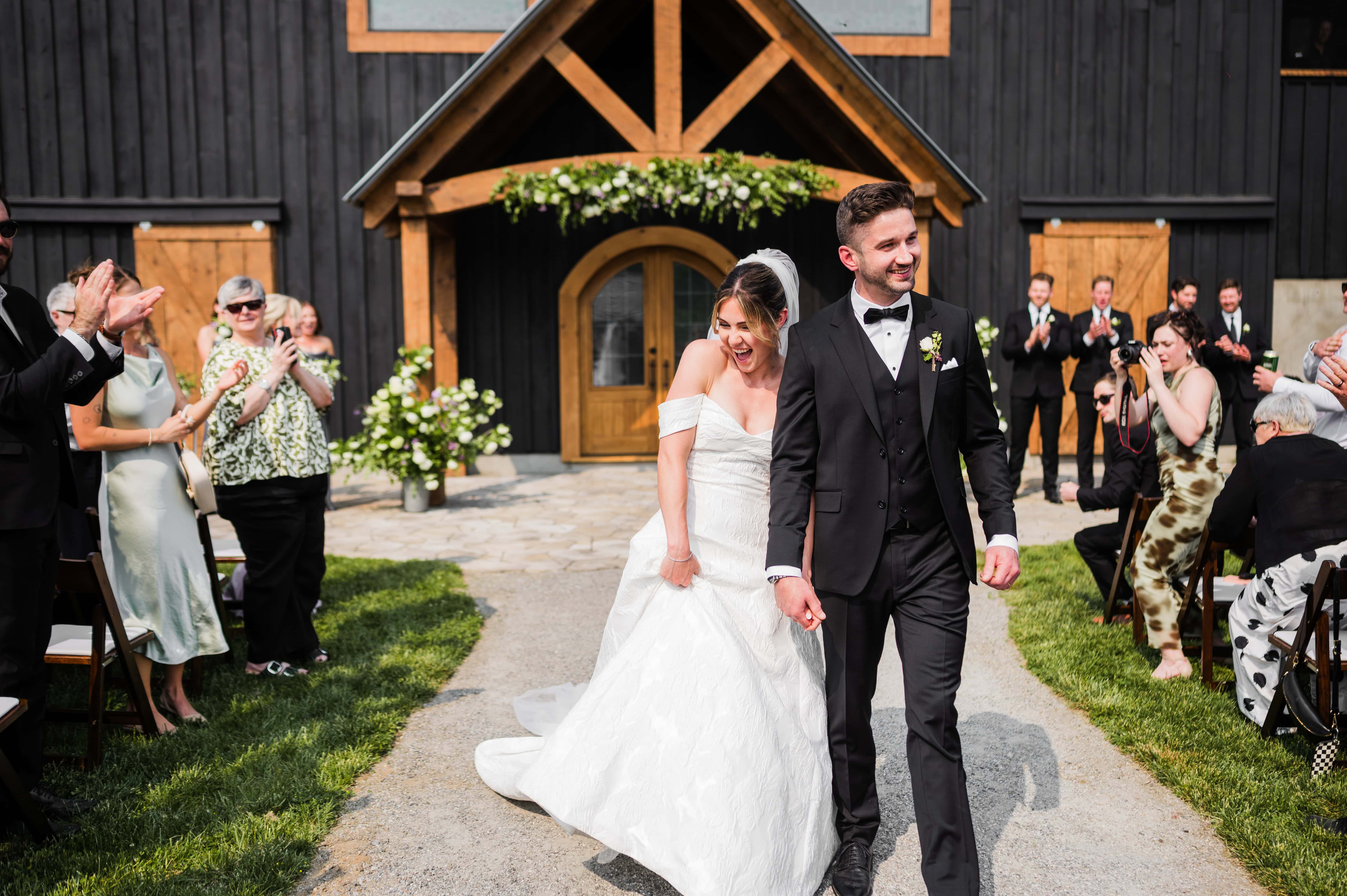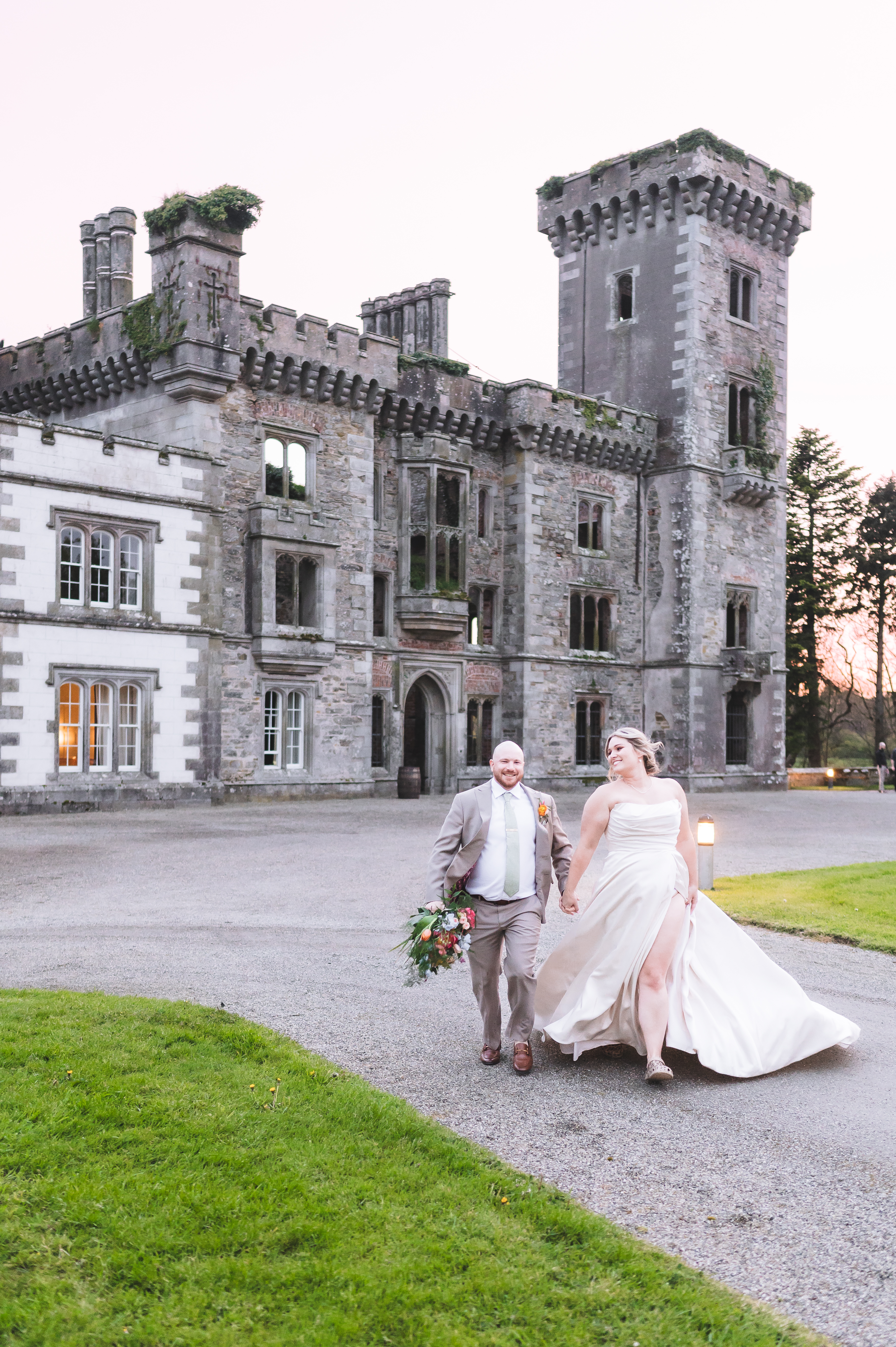
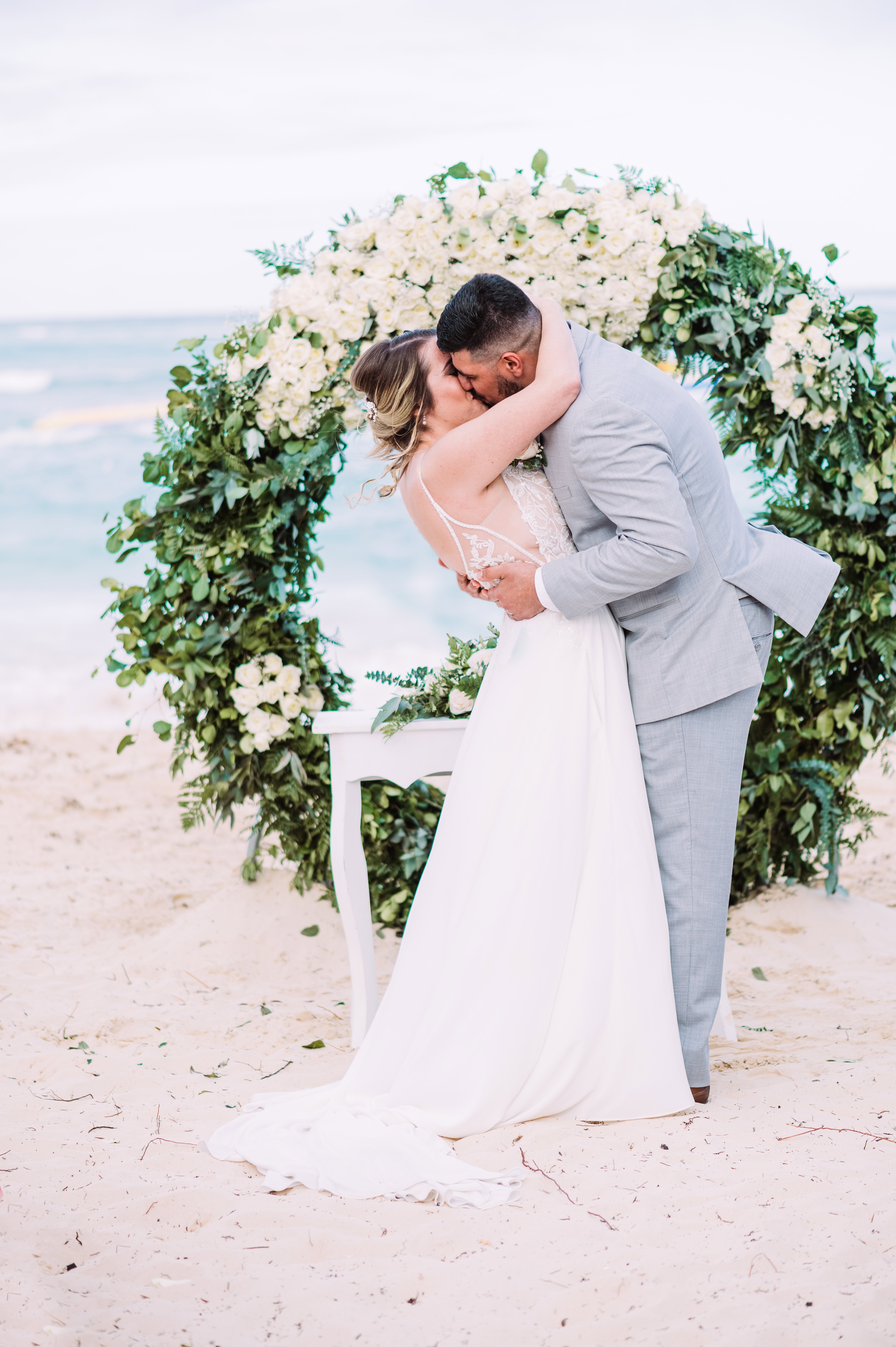
Most wedding stress doesn’t come from big problems, it comes from feeling rushed.
A timeline that’s too tight can turn what should be a joyful day into a series of logistical sprints: rushing through portraits, cramming family photos, watching the clock instead of enjoying the moment.
The good news is that a well-built timeline solves most of that.
And the key isn’t perfection. It’s breathing room.
Build Your Timeline Around Your Priorities
Before getting into logistics, start with a simple question:
What actually matters most to you?
For some couples, it’s spending as much time as possible with guests.
For others, it’s quiet moments together before the ceremony.
Some want a relaxed cocktail hour. Others care most about the dance floor.
Once those priorities are clear, the timeline can be built around them.
If guest experience is your top priority, leave space for mingling. If portraits matter most, schedule time when light is best. If you want a slow morning getting ready, start earlier.
A good timeline supports the experience you want, instead of forcing your day into someone else’s template.
Buffer Time Will Save Your Sanity
If there’s one thing I encourage couples to add to their timeline, it’s buffer time.
Things run late. Often.
Hair takes longer than expected. Traffic happens. Someone forgets their boutonniere. A family member disappears during portraits.
In over a decade of photographing weddings, I can count on one hand the number of weddings that ran exactly on schedule.
What matters isn’t avoiding problems. It’s having enough flexibility built in so they don’t create stress.
Even an extra 10–15 minutes between major parts of the day can make a huge difference.

Free Download: Sample 10-Hour Wedding Day Timeline
Every wedding is different, but sometimes it helps to see what a realistic timeline actually looks like.
I’ve put together a sample 10-hour wedding day timeline that includes buffer time, travel time, portraits, family photos, cocktail hour, and plenty of breathing room throughout the day.
Use it as a starting point while planning your own celebration.

When Choosing Coverage, Err on the Side of Breathing Room
One of the most common timeline mistakes couples make happens before the wedding day even starts: they book coverage that’s just barely enough.
Then the timeline becomes a puzzle where every minute has to go perfectly.
If you’re debating between two coverage options and you’re right on the edge, I almost always recommend choosing the one with a little extra time.
Not because you’ll necessarily need it, but because it removes pressure.
You won’t be watching the clock during speeches. You won’t feel rushed through portraits. You won’t have to cut moments short if the day runs behind.
That breathing room changes the entire energy of the day.
Appoint a “Point Person” for Guests
Here’s a small timeline trick that saves couples a lot of stress:Choose one person to act as the guest point-of-contact.
A sibling, cousin, bridesmaid, or close friend works perfectly.
That person can answer questions like:
- “What time does the ceremony start?”
- “Where’s the reception?”
- “Is there parking?”
- “What’s the address again?”
Even when information is clearly written on invitations, guests will still ask, so having a designated person to handle those questions prevents your phone from exploding with messages all day.
Put Your Phone Away
You don’t actually need your phone on your wedding day. Give it to someone you trust; a bridesmaid, best friend, sibling, and let them hold onto it.
Your job that day is to experience what’s happening, not manage logistics or answer texts.
If something truly important comes up, that person can let you know. Otherwise, enjoy the rare opportunity to be completely present.
You’re Allowed to Push Back
Wedding vendors offer advice because we’ve seen a lot of weddings but that advice should always support your priorities, not override them.
For example: If you don’t want a first look, you don’t have to do one. If you want more time with guests, that can be built into the timeline. If something feels rushed or uncomfortable, you’re allowed to adjust it.
The best timelines come from collaboration.
Listen to vendor expertise, absolutely. But primarily, remember that the day ultimately belongs to you.

The Real Goal of a Wedding Timeline
The goal of a timeline isn’t to control every minute, it’s to create a structure that allows the day to unfold naturally.
Less rushing. More laughing. More time with the people you actually planned the wedding for.
Something will go wrong on your wedding day: a zipper might break. Someone might be late. The weather might change.It’s just reality.
The difference between a stressful wedding and a relaxed one usually comes down to this: how much breathing room you built into the day.